Hurricane Season 2026: How a Coated Garage Floor Changes Cleanup
Practical pre-hurricane epoxy-floor prep for Jacksonville homeowners as the June 1 season opens — and why a non-porous floor means a hose-rinse instead of a tear-out.
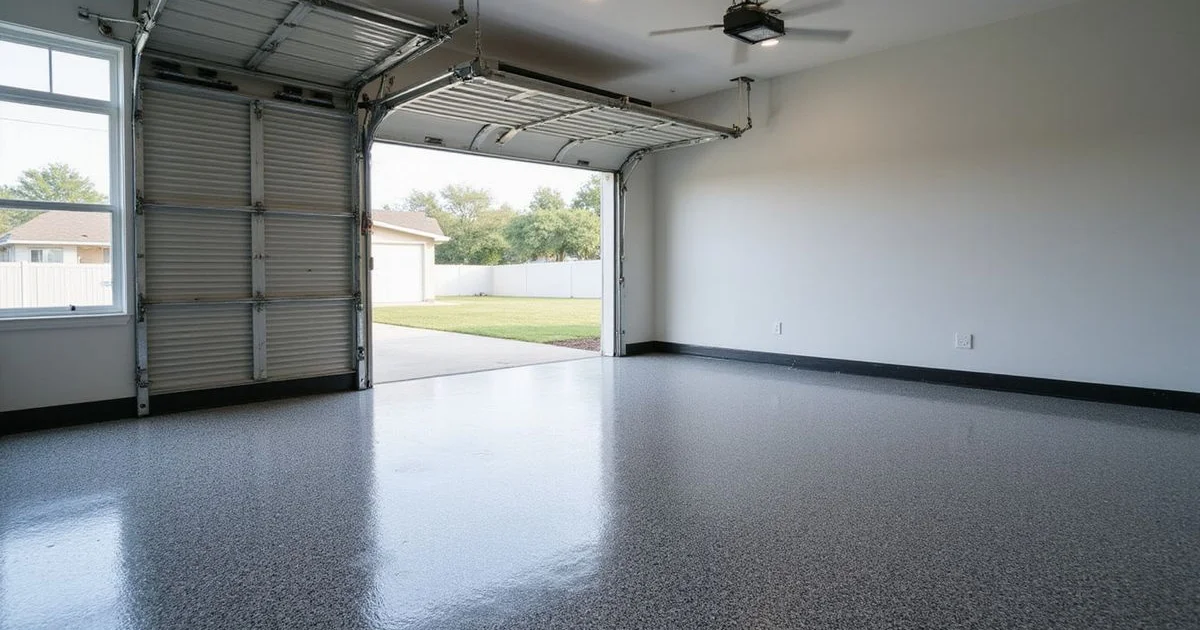
Hurricane season opens June 1, and on the First Coast that date has a way of sneaking up. Most Jacksonville homeowners think about shutters, generators, and supplies. Far fewer think about the garage floor — but the floor is what decides how hard the cleanup is if water gets in.
Why the Floor Matters After a Storm
When storm surge or heavy rain pushes water into a garage, the surface underneath determines the aftermath.
Bare concrete is porous. It soaks up floodwater and holds the moisture for days. That slow-drying slab is what feeds mold, and a garage with carpet, mats, or a damp floor often turns into a tear-out — pulling soaked material, drying the space, and treating it before anything can go back.
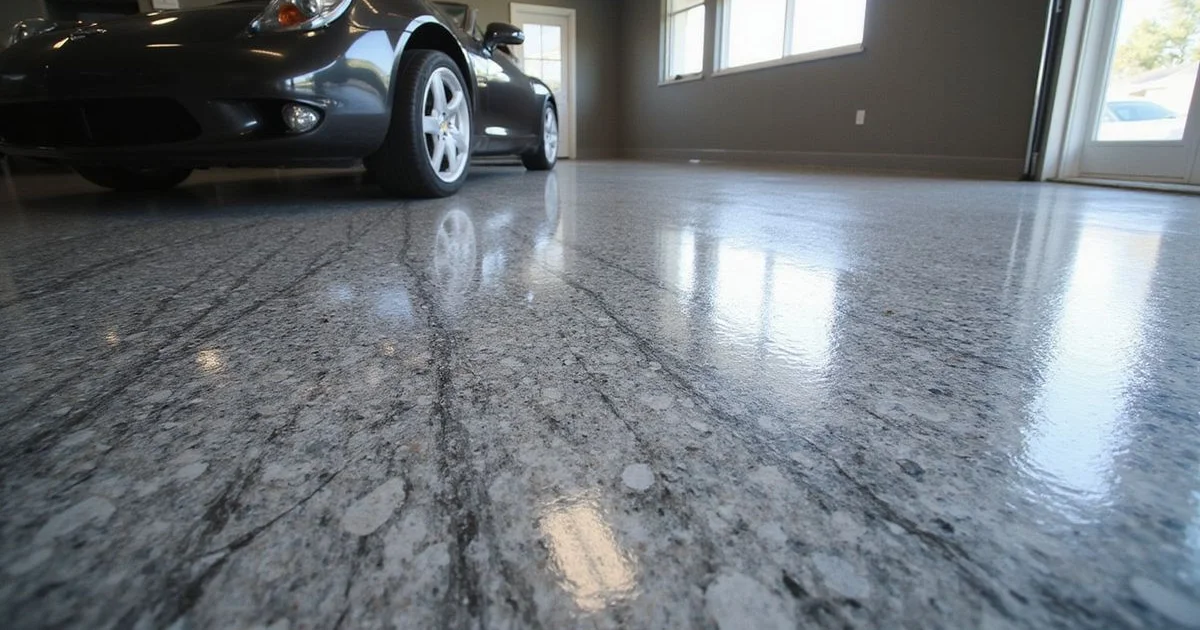
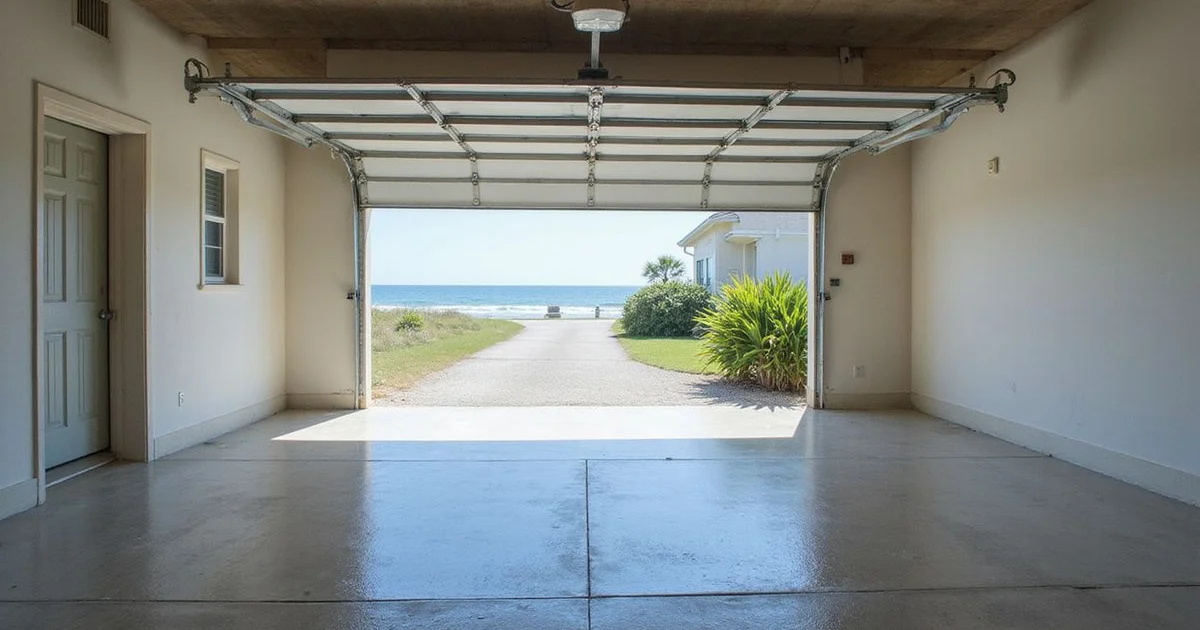
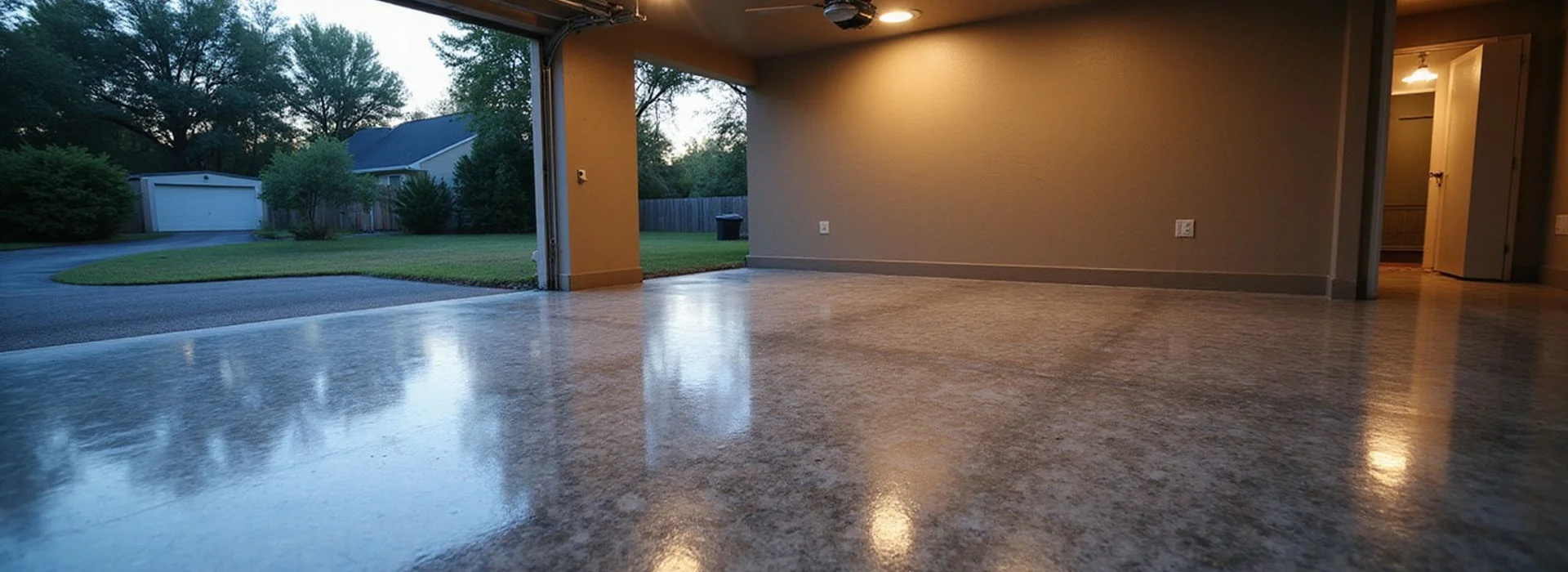
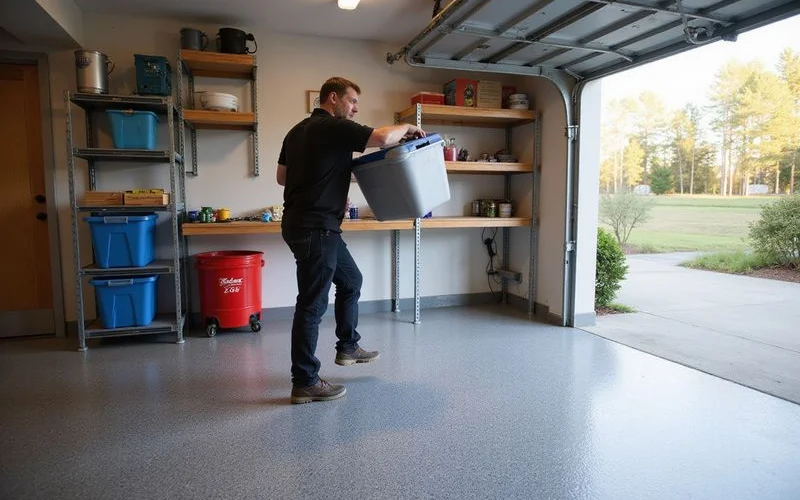
A coated garage floor behaves completely differently. The cured epoxy surface is non-porous. It does not absorb floodwater, so once the water recedes, recovery is a chore rather than a renovation.
Hose-Rinse, Not Tear-Out
Here is the practical difference, the one that matters at 7 a.m. the morning after a storm.
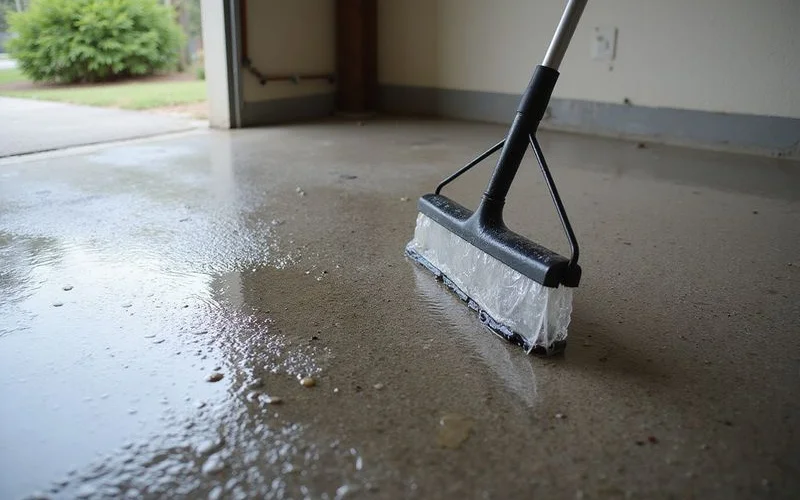
With a finished epoxy floor, post-flood cleanup is a hose-and-squeegee job. The water sat on top of the coating, not in it. You rinse the floor, push the rest out the door, and let it dry. Belongings you stored up off the floor stay dry; the floor itself wipes clean.
To be clear about what a coating does and does not do: epoxy is not a flood barrier, and it will not keep water out of your garage. What it changes is recovery time — and in a hurricane zone, days of avoided work is the whole point.
The honest version
Epoxy does not stop a flood. It turns the recovery from a tear-out into a hose-rinse. That is a real, practical benefit — not a marketing promise.
Your Pre-Hurricane Garage Checklist
Whether or not your floor is coated, run through this before the season gets serious:
- Lift belongings off the floor. Wall shelving and hooks keep gear above any water line.
- Move chemicals and electronics up high. Paint, fuel, and tools should never sit at floor level in a storm.
- Clear the floor early in the season. An empty floor is fast to rinse afterward.
- Photograph the garage. Documentation helps if you need to file a claim.
A Note on Timing
If you have been considering a garage floor epoxy install, the calendar matters. The mistake homeowners make is waiting until a storm is in the forecast. By then, installer schedules are full and a coating needs days to cure.
| Book in | What happens |
|---|---|
| April-May | Floor cured and ready before any storm threat |
| June onward | Schedules tighten quickly as the season opens |
| Storm in the forecast | Too late to install and cure in time |
Spring is the window. A floor installed now is fully cured and ready well before the first tropical system spins up. For more on flood resistance specifically, our guide on hurricane preparation and flooring goes deeper. And if you are also weighing a resale, our post on the Ponte Vedra metallic garage project shows what a finished garage can do.
Want a non-porous garage floor before the season starts? — Get a free fixed-price quote on garage floor epoxy
Jacksonville Epoxy Flooring Team
The Jacksonville Epoxy Flooring team researches and writes practical guides on epoxy and concrete coating systems for Northeast Florida homes and businesses.