Inside a 3-Car Metallic Epoxy Garage Project: Timeline, Prep & Cost
What a three-car metallic epoxy garage install actually involves in a coastal market like Ponte Vedra Beach — the weekend-by-weekend timeline, the prep that decides everything, and the real cost range.
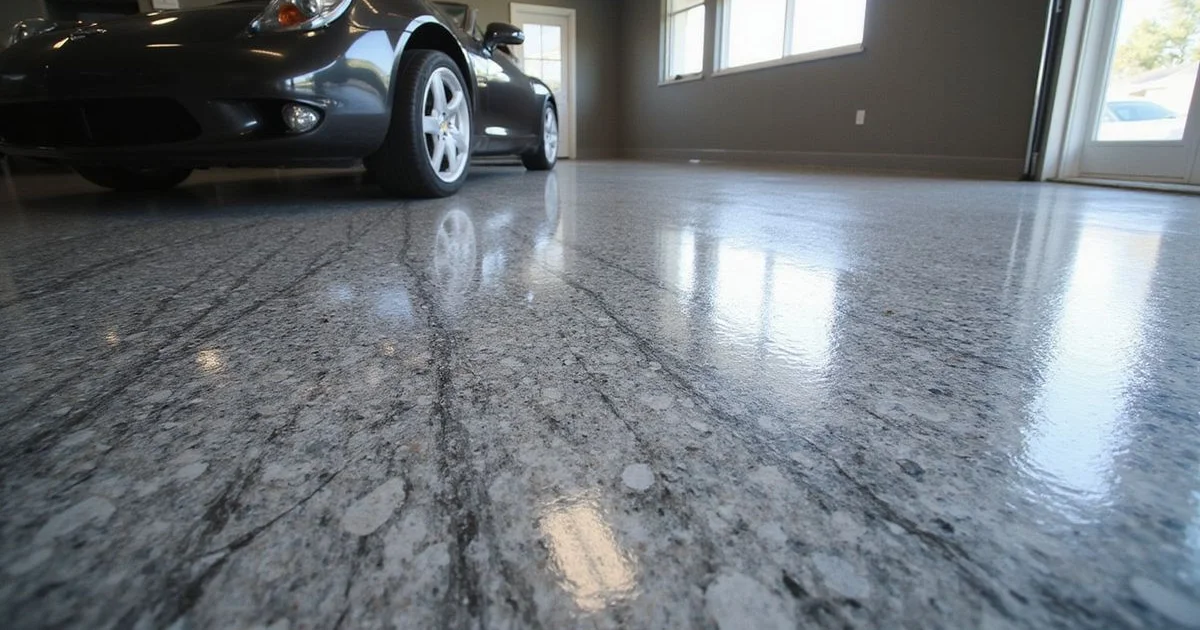
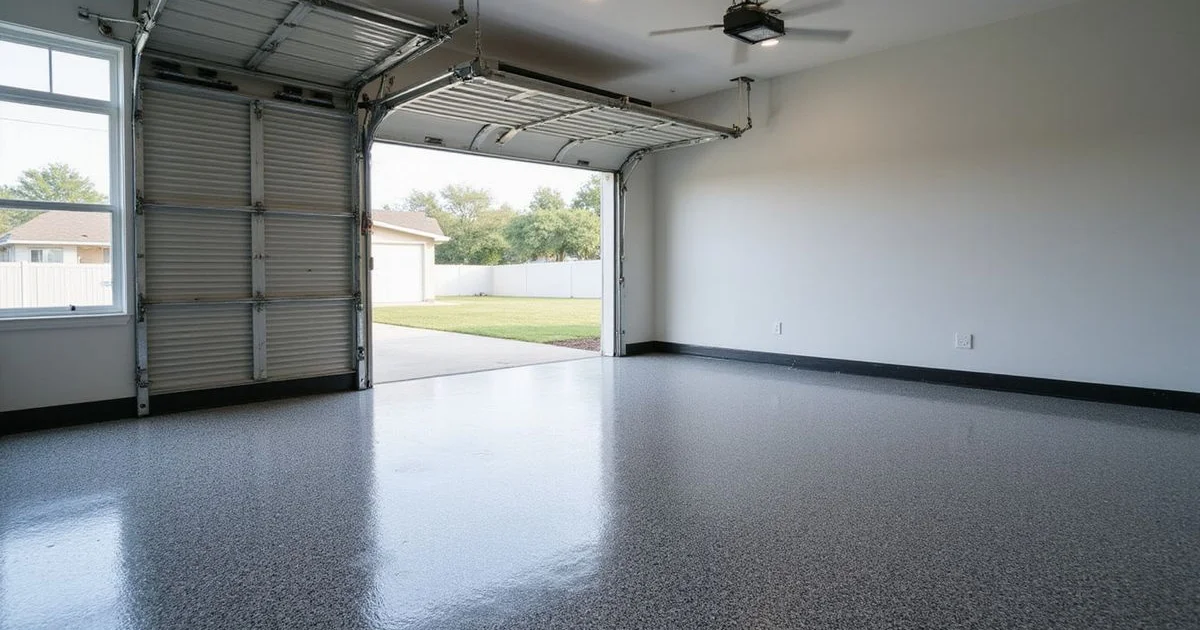
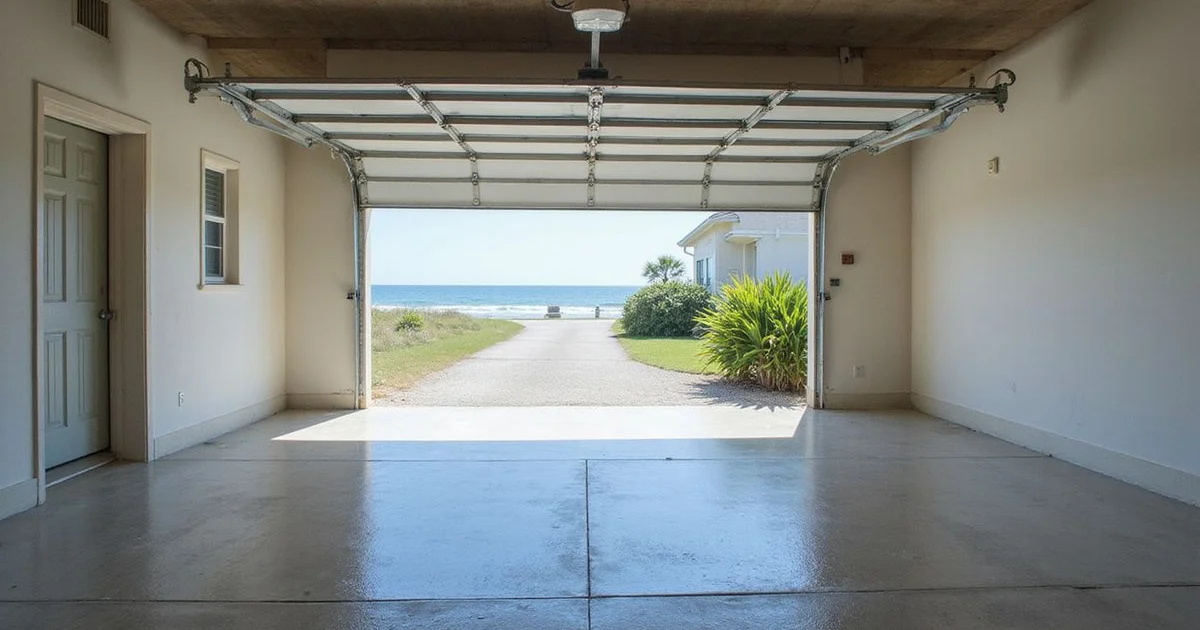
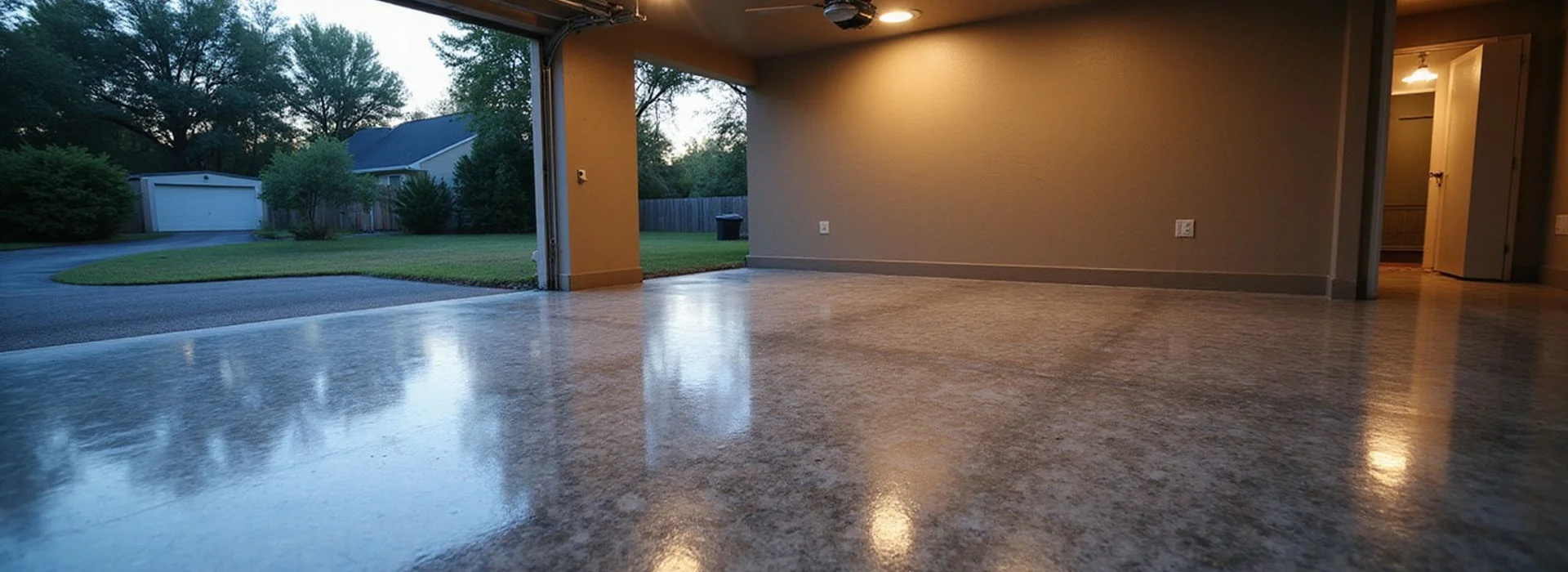
A three-car metallic garage is the biggest residential epoxy project most homeowners will ever commission — roughly 650–800 square feet of floor turned into a single continuous, marbled surface. Here’s what a project like this actually involves in a coastal Northeast Florida setting like Ponte Vedra Beach, so you know what to expect before you get quotes.
Why coastal three-car garages are their own animal
Two things make this project different from a standard two-car flake floor inland. First, size: metallic pigments are poured and manipulated wet, and keeping a consistent marbled pattern across 700+ square feet takes planning — the crew works the floor in one continuous session, because a cold joint in a metallic pour shows forever. Second, the coast: within a few miles of the ocean, chloride-laden air works into bare concrete and attacks coatings at the bond line. A coastal install should use a marine-rated aliphatic polyaspartic topcoat, not the standard version.
The realistic timeline
Day one is entirely prep. Diamond grinding a three-car slab to a CSP 2–3 profile takes most of a day with a planetary grinder, including edge work along walls and around the door tracks. Any cracks or spalls get routed and filled. On coastal slabs especially, a calcium-chloride or in-situ RH moisture test decides whether a moisture vapor barrier primer goes down first — skipping this test on a Florida slab is how metallics blister a year later.
Day two is the pour. Primer or base coat in the morning, then the metallic body coat: pigmented 100% solids epoxy poured in ribbons and moved with rollers, blowers, or spiked shoes to create the marbling. This is the artistry step — the pattern is set in about an hour of working time.
Day three seals it. Once the metallic cures overnight, the polyaspartic topcoat goes on. Polyaspartics cure fast: walkable the same evening, cars back on the floor in about 48 hours.
So a realistic footprint is a long weekend — which is why this project is popular with sellers prepping a house for listing photos, including the military families PCS-ing out of the Ponte Vedra and Mayport area on a fixed timeline.
What it costs
Metallic systems run above standard flake because of pigment cost and pour labor. For a three-car garage in the Jacksonville market, expect roughly $3,500–$6,500 depending on slab condition, moisture-barrier needs, and topcoat spec — coastal marine-rated topcoats sit at the upper end. Compare that against our three-car flake pricing of $2,200–$3,800 to see the metallic premium, or run your own square footage through the garage epoxy estimator.
Questions worth asking any installer
Whoever you hire for a project like this, ask: Will the floor be diamond-ground or acid-etched? Will you moisture-test the slab first? Is the topcoat aliphatic polyaspartic, and is it rated for coastal exposure? Is the pour done in one continuous session? The answers separate a decade-plus floor from a two-year redo.
Want to see how metallic compares to flake and solid-color systems before deciding? Start with our guide to choosing between metallic, flake, and solid color epoxy.
Jacksonville Epoxy Flooring Team
The Jacksonville Epoxy Flooring team researches and writes practical guides on epoxy and concrete coating systems for Northeast Florida homes and businesses.